
A Young Heartbeat in the Chèo Drum
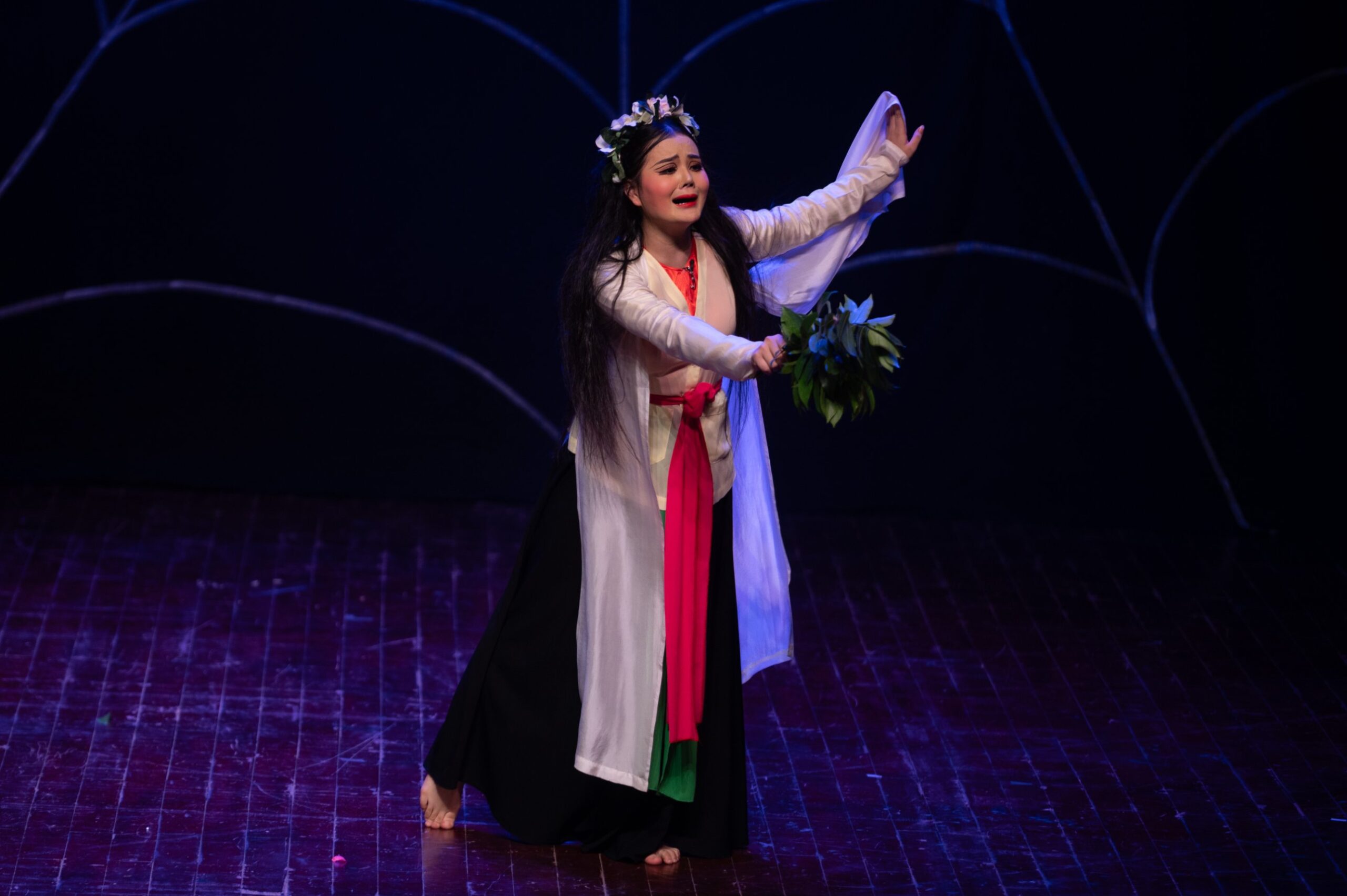
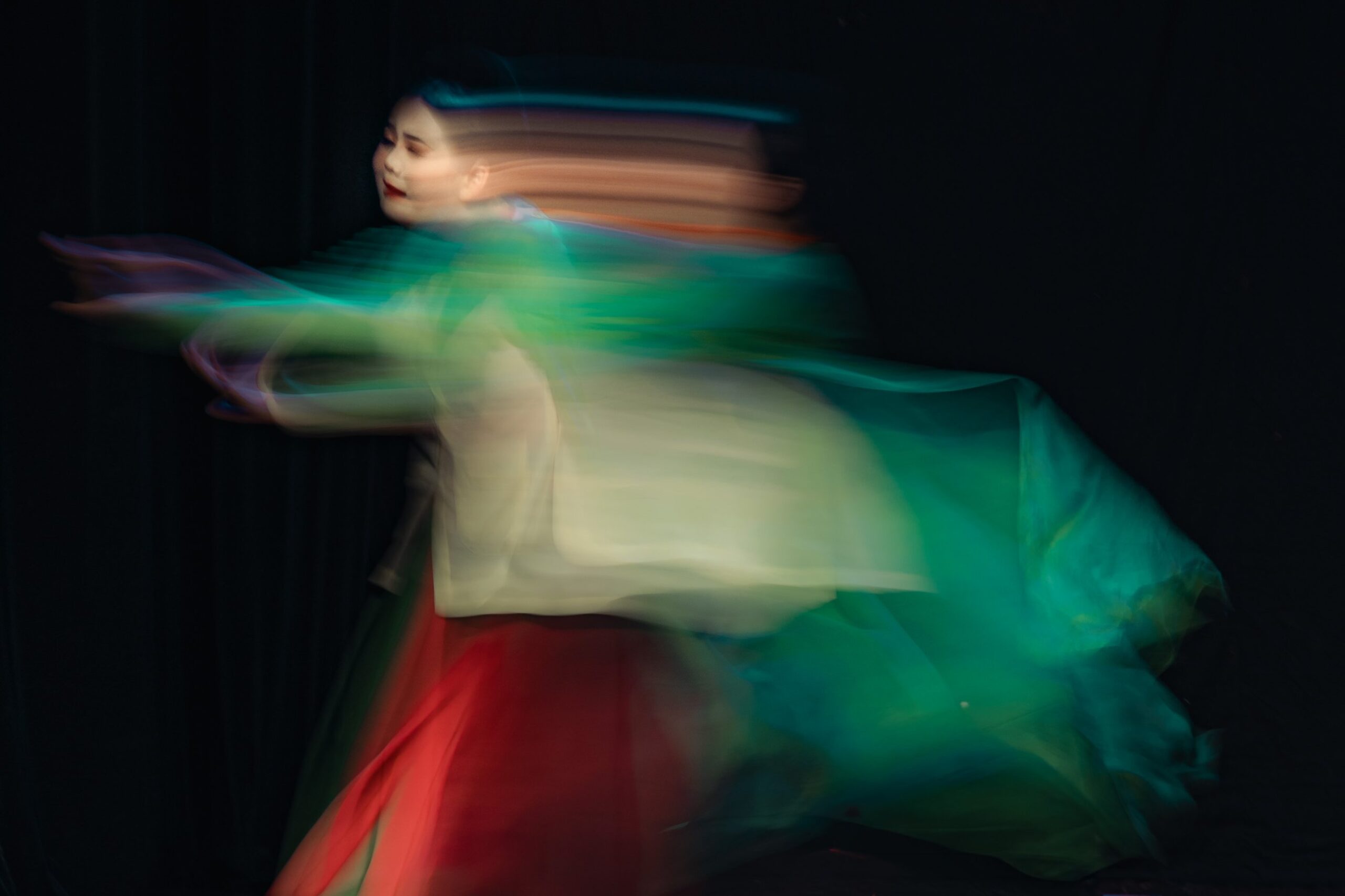
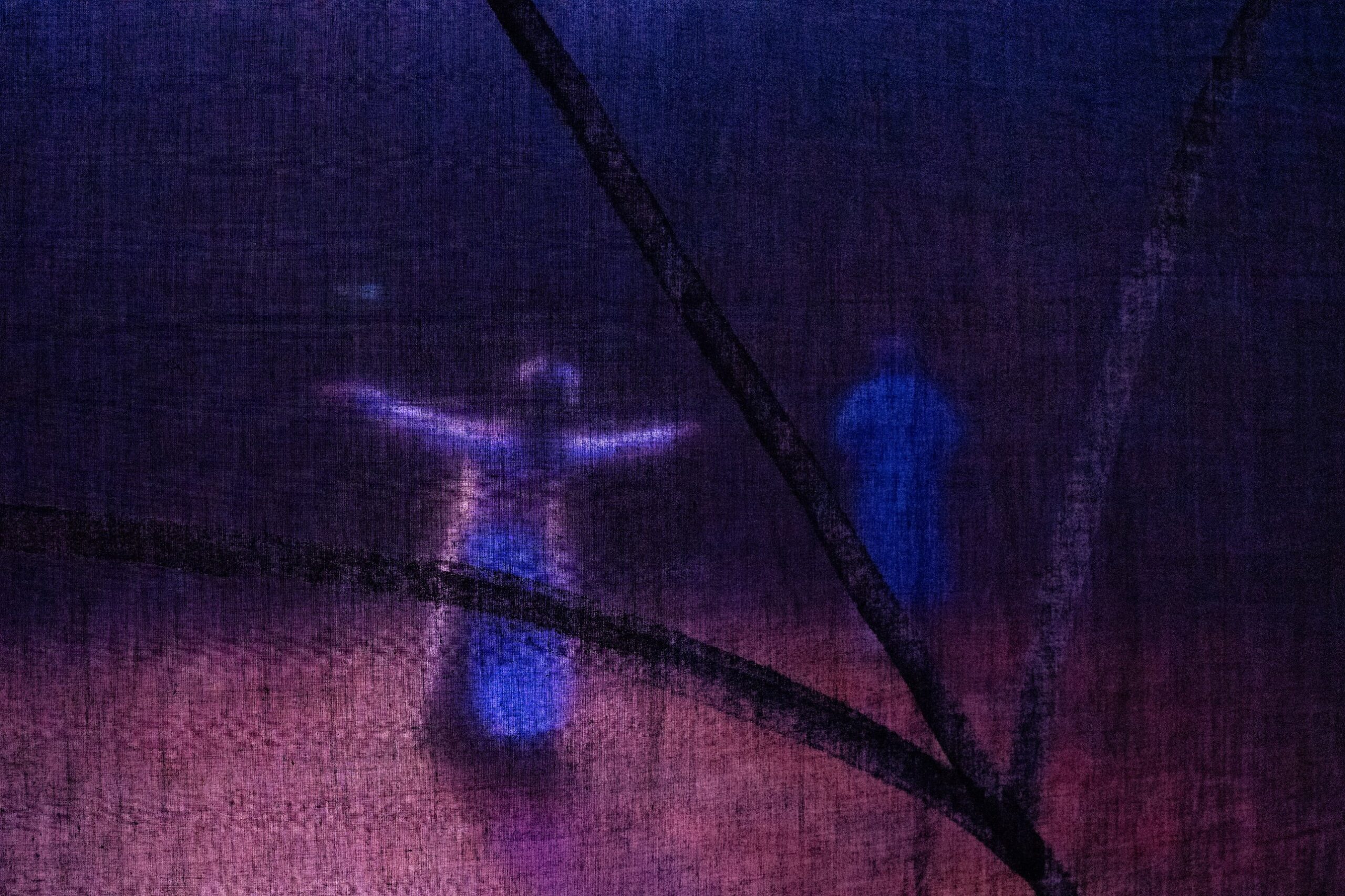
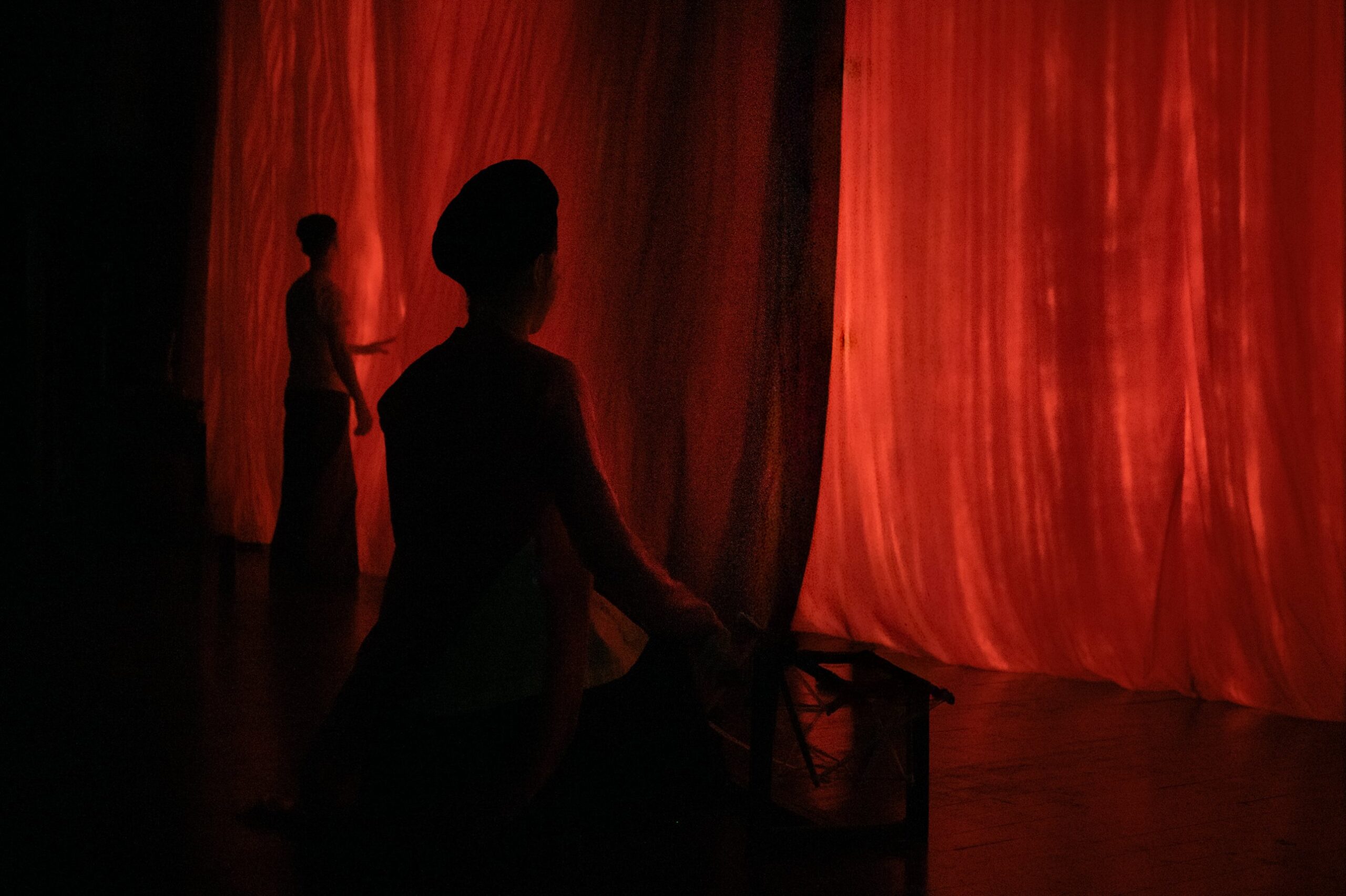
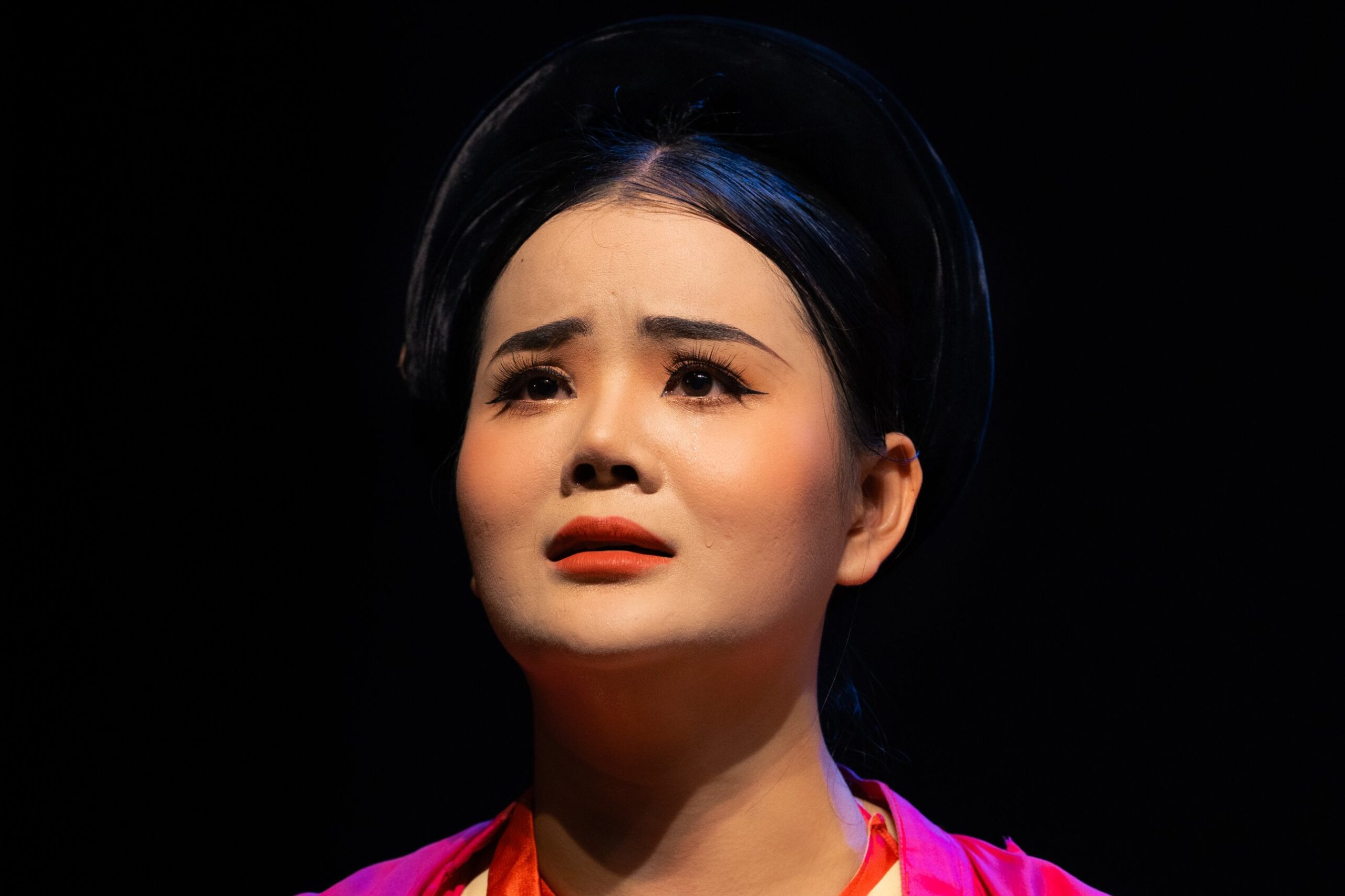
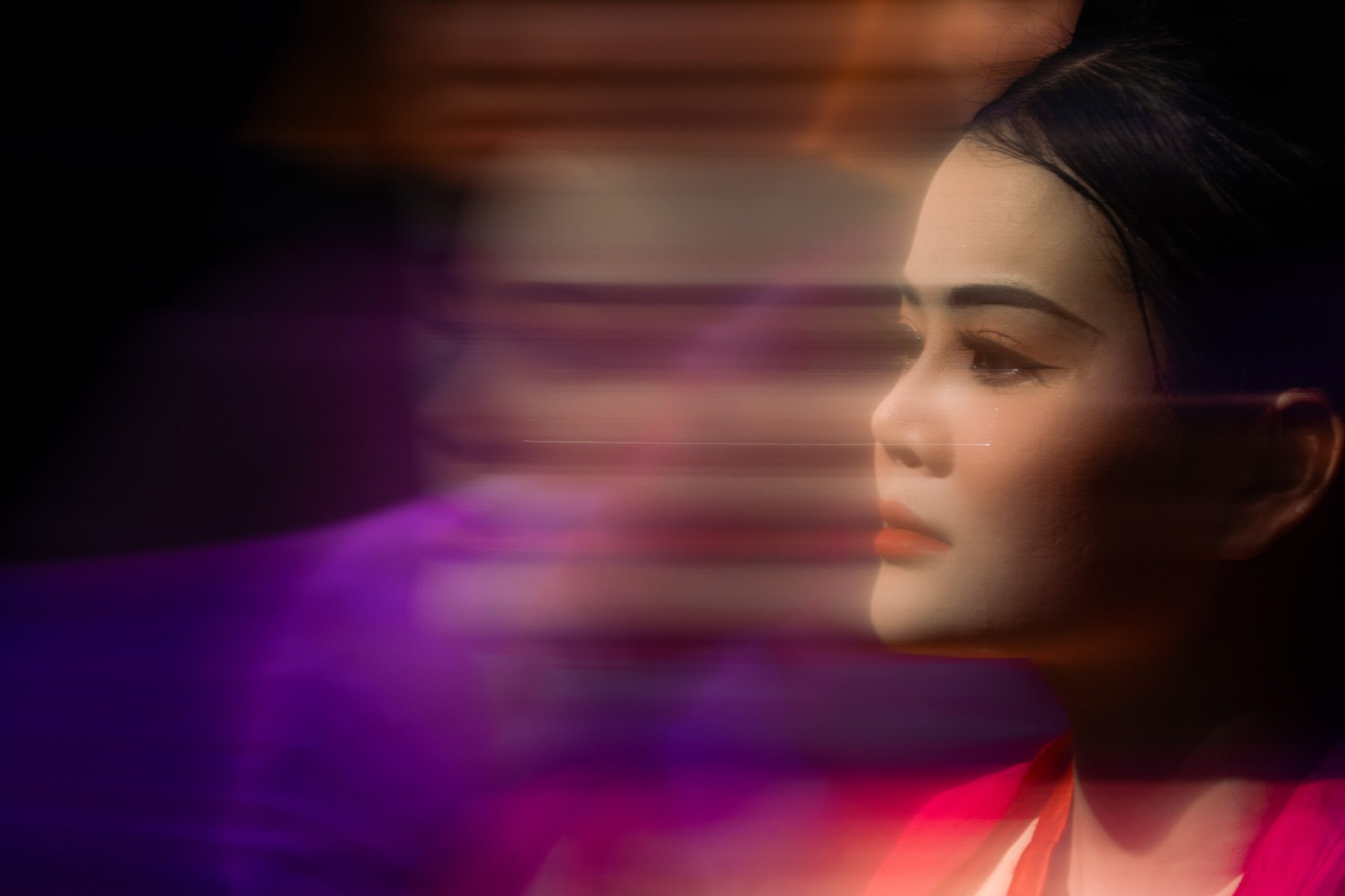
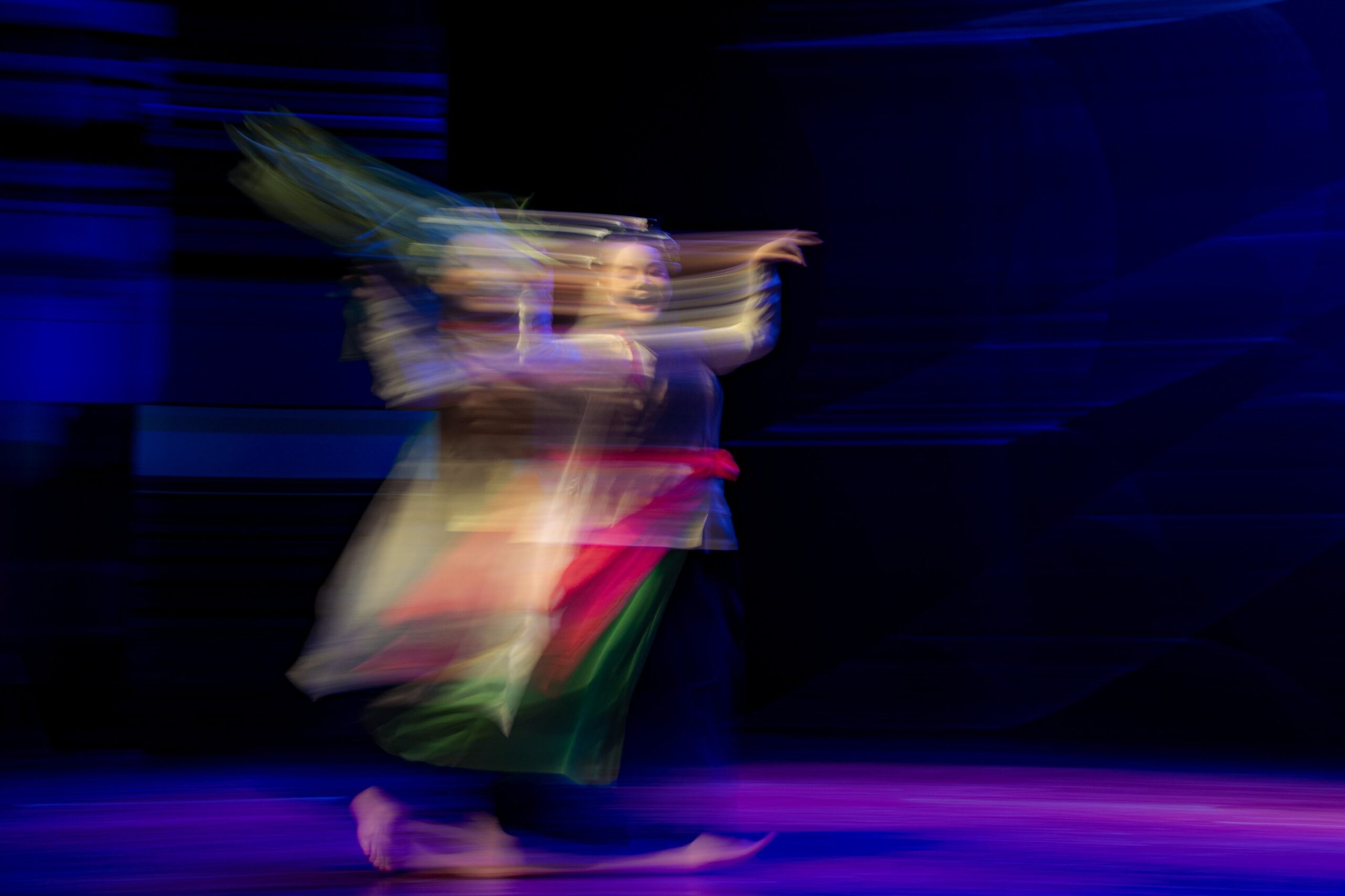
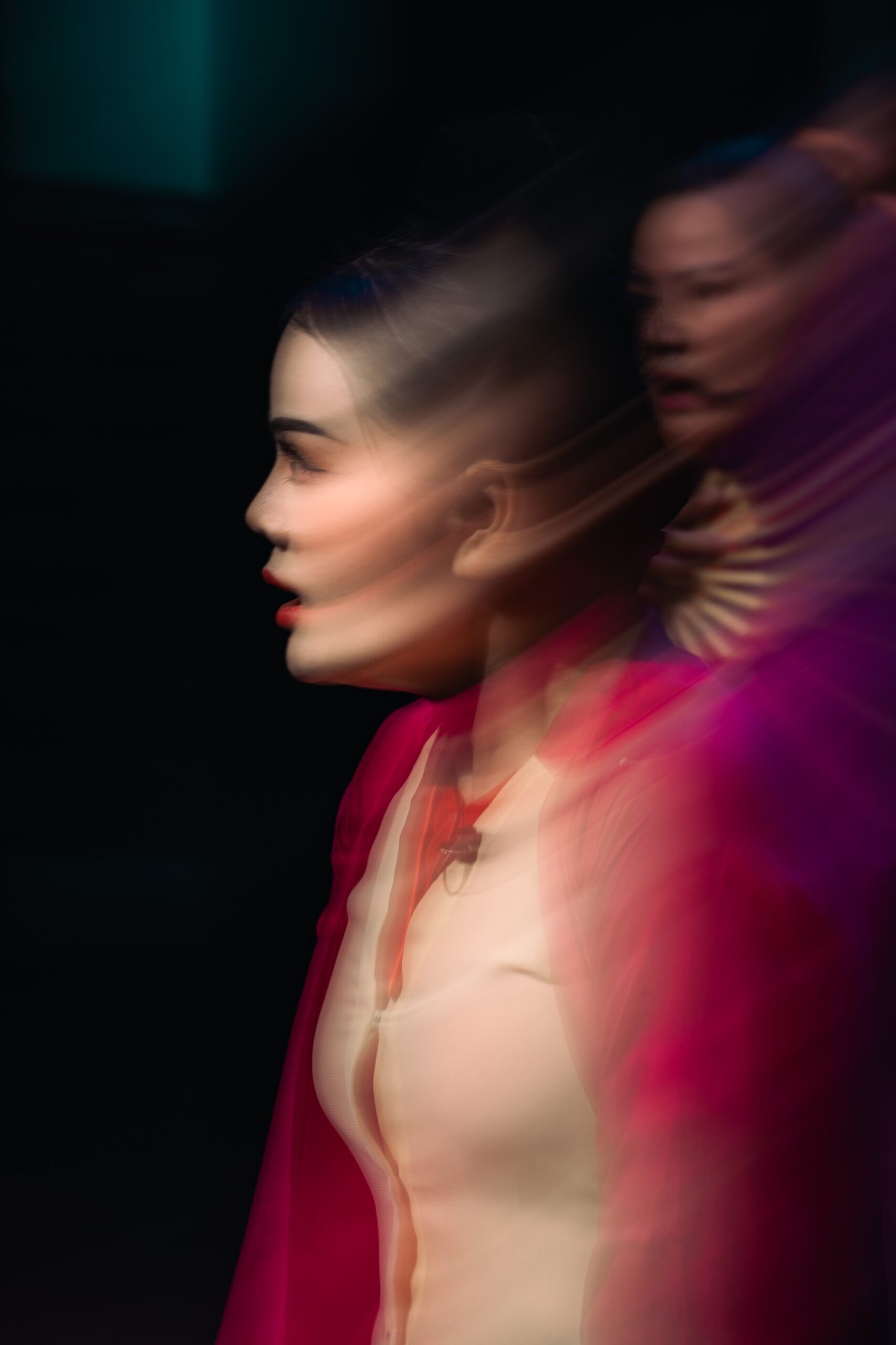
The lights of the Kim Mã theatre dim slowly. In a haze of ghostly blue, to the sharp, insistent beat of the chèo drum, a figure steps out, a fan spread open in her hand. Her eyes are at one moment vacant and bewildered, at the next flaring with the bitterness of a life with nowhere left to turn. Amid laughter laced with choking sobs, at the very peak of a pain that has truly turned to madness, the song rises:
Đau thiết thiết van
Than cùng bà Nguyệt
Đánh cho lê liệt
Chết mệt con đồng…
The line stretches out, swaying between dream and reality, between a simple longing for happiness and the cruel trap of prejudice. That is Suý Vân, a classic figure carved deep into the hearts of generations of Vietnamese audiences.
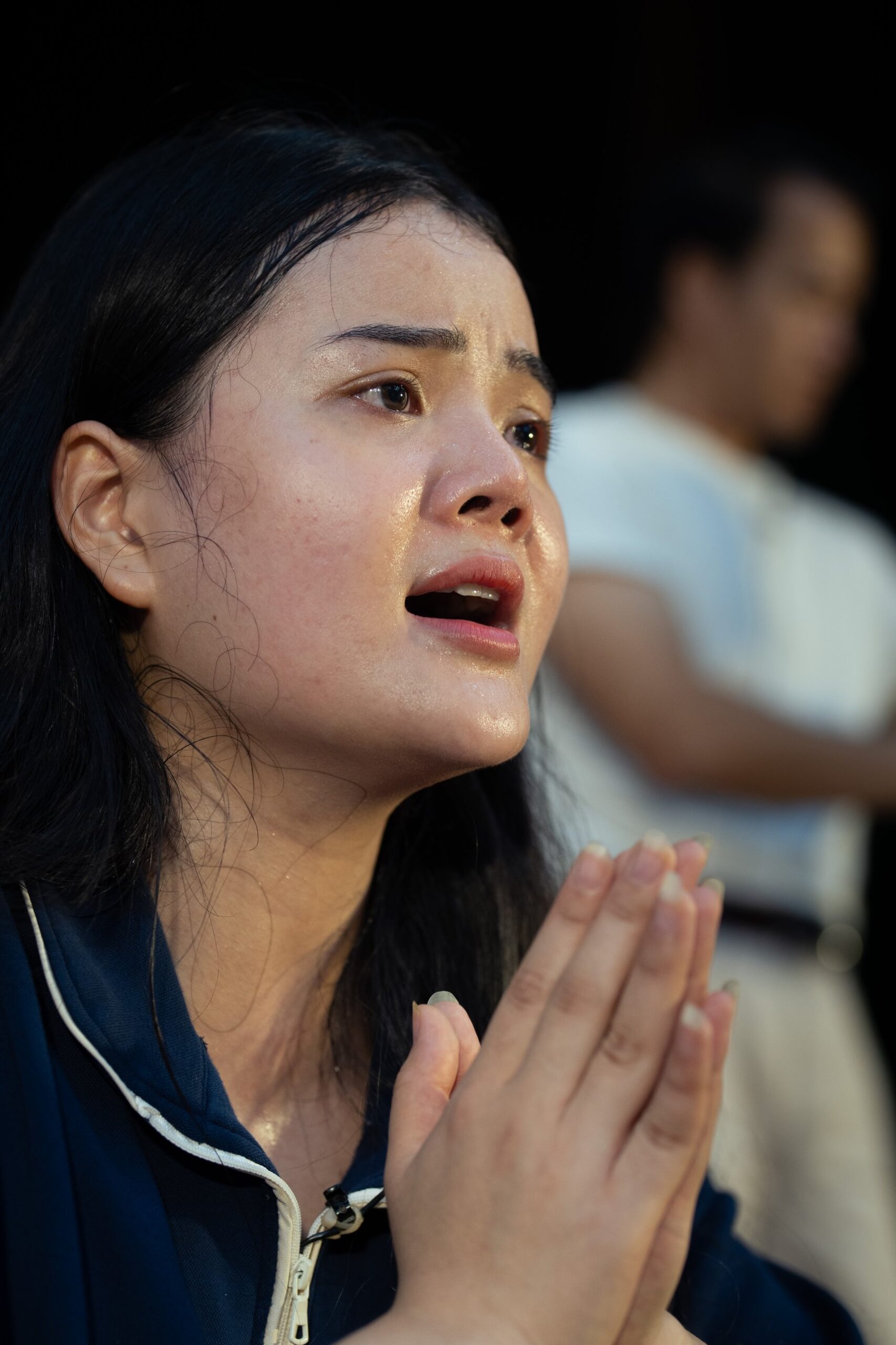
What is different tonight is that the Suý Vân on stage is not a seasoned artist who has weathered the years, but a girl of Generation Z: Trần Ngát. In a four-panel dress and a crimson bodice, the 24-year-old carries on her shoulders a whole tragic life stretched over more than two hours. The struggle between real madness and feigned madness, between the instinct to live fully and the tight grip of prejudice, is brought back to life with an energy that is young, whole and full of longing.
Suý Vân belongs to the đào pha role type, half virtuous heroine and half wayward woman. It demands that the performer fully command singing, movement and speech, and portray a complex psychological tragedy in depth rather than simply playing at madness. A young actress also carries the pressure of following the many artists who made their names in this very role.
Trần Ngát shares: “This is a very demanding role, and it has been performed brilliantly by the artists who came before me. That casts a huge shadow over the generations that follow, and especially over me. Being given this role is a stroke of luck, an honour and a joy, but it is also a test on my path in this profession.”
Traditional chèo has strict standards that only time and sweat can polish into a gem. A true chèo performer must bring together six core elements: Thanh (voice), Sắc (looks and presence), Thục (mastery), Tinh (refinement), Khí (energy and inner strength) and Thần (the soul of the character).
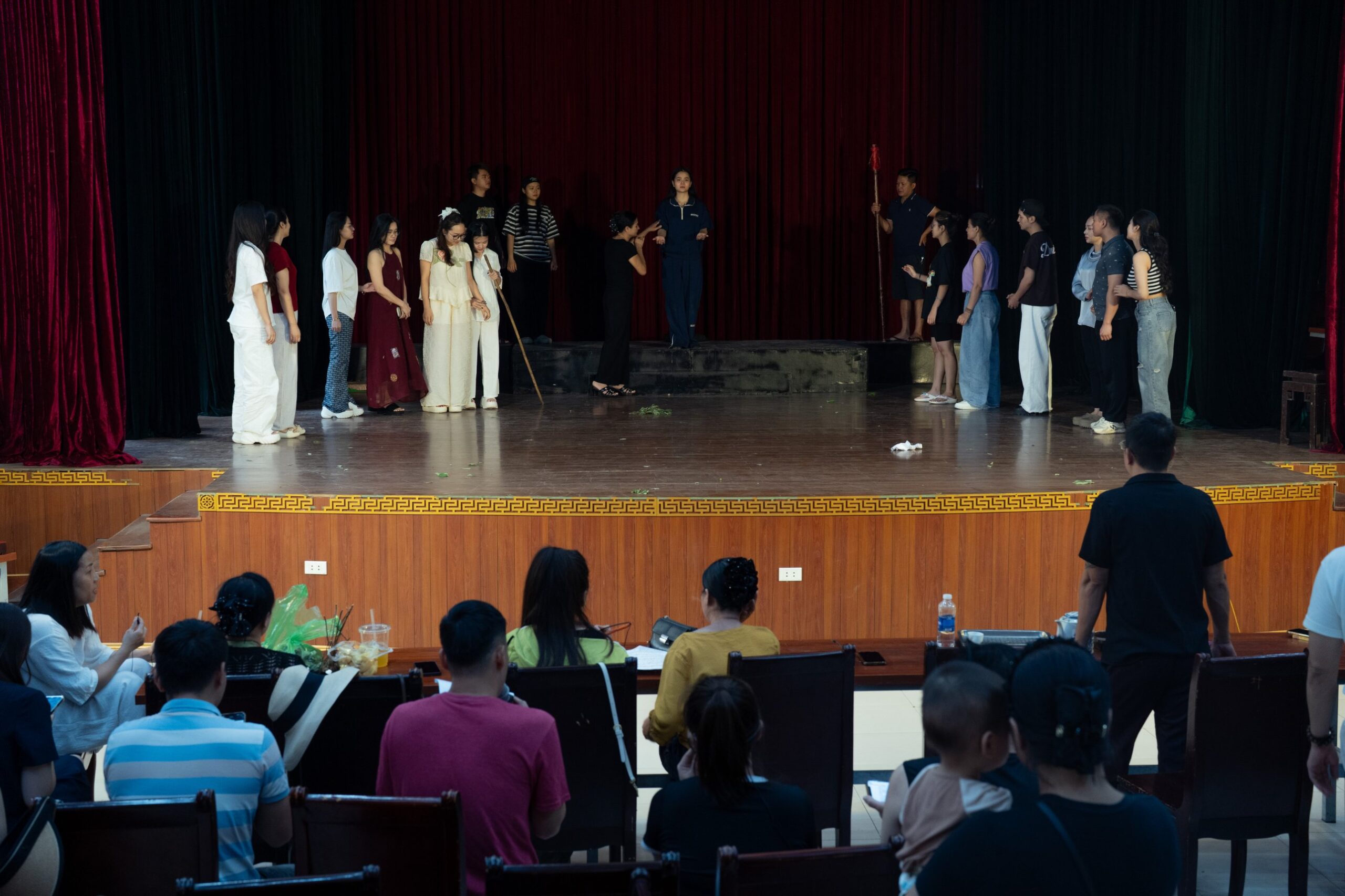
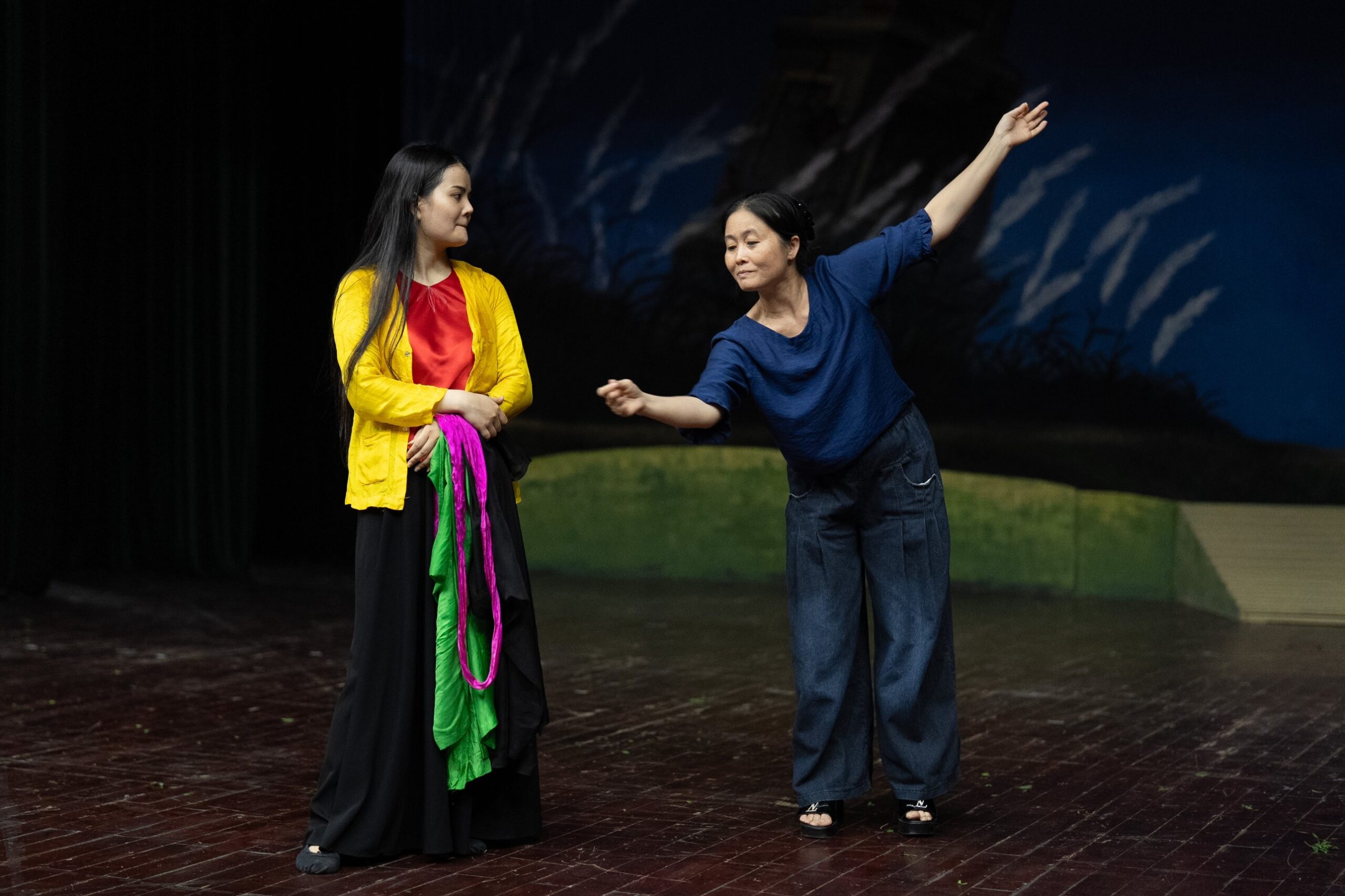
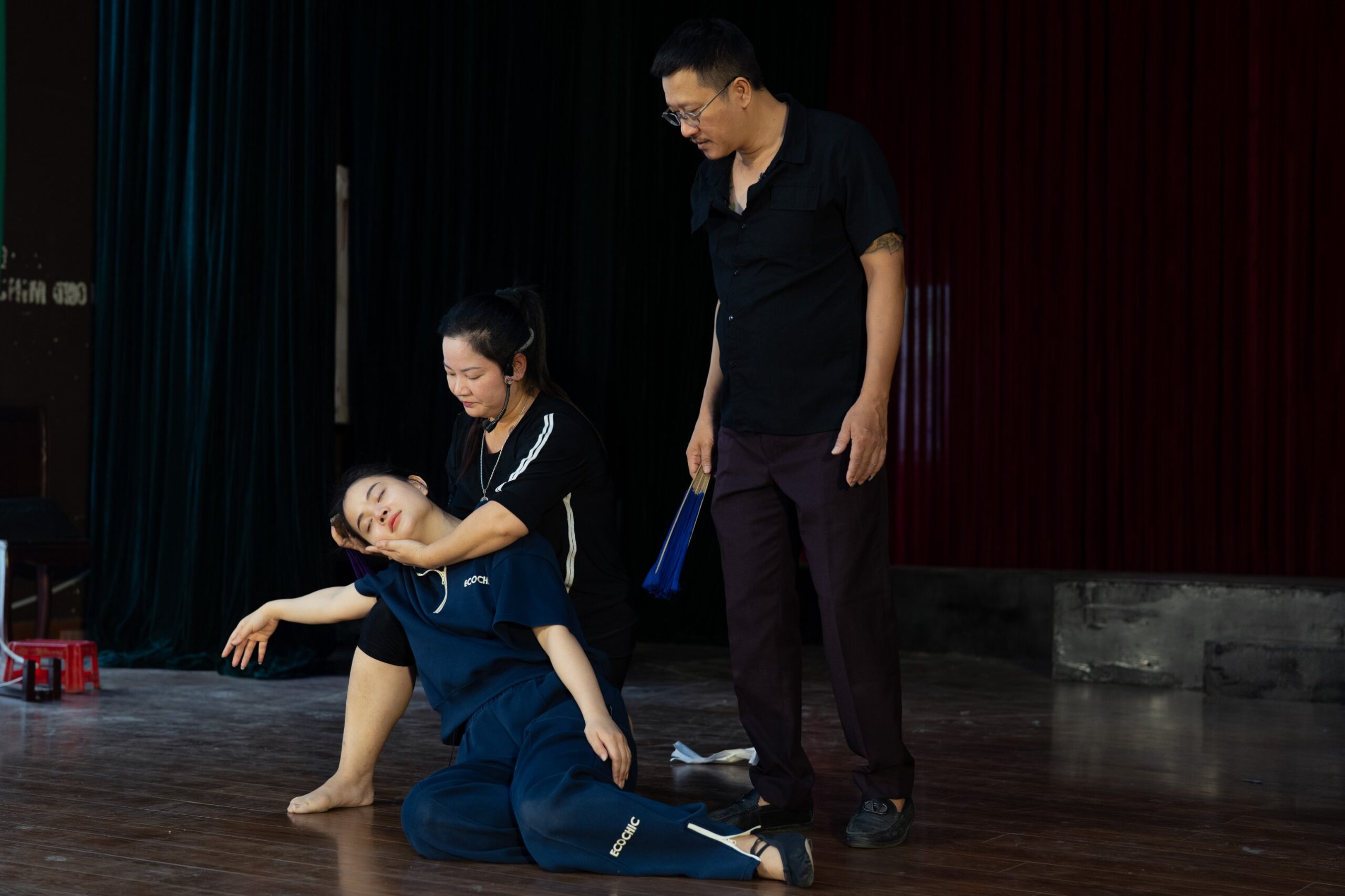
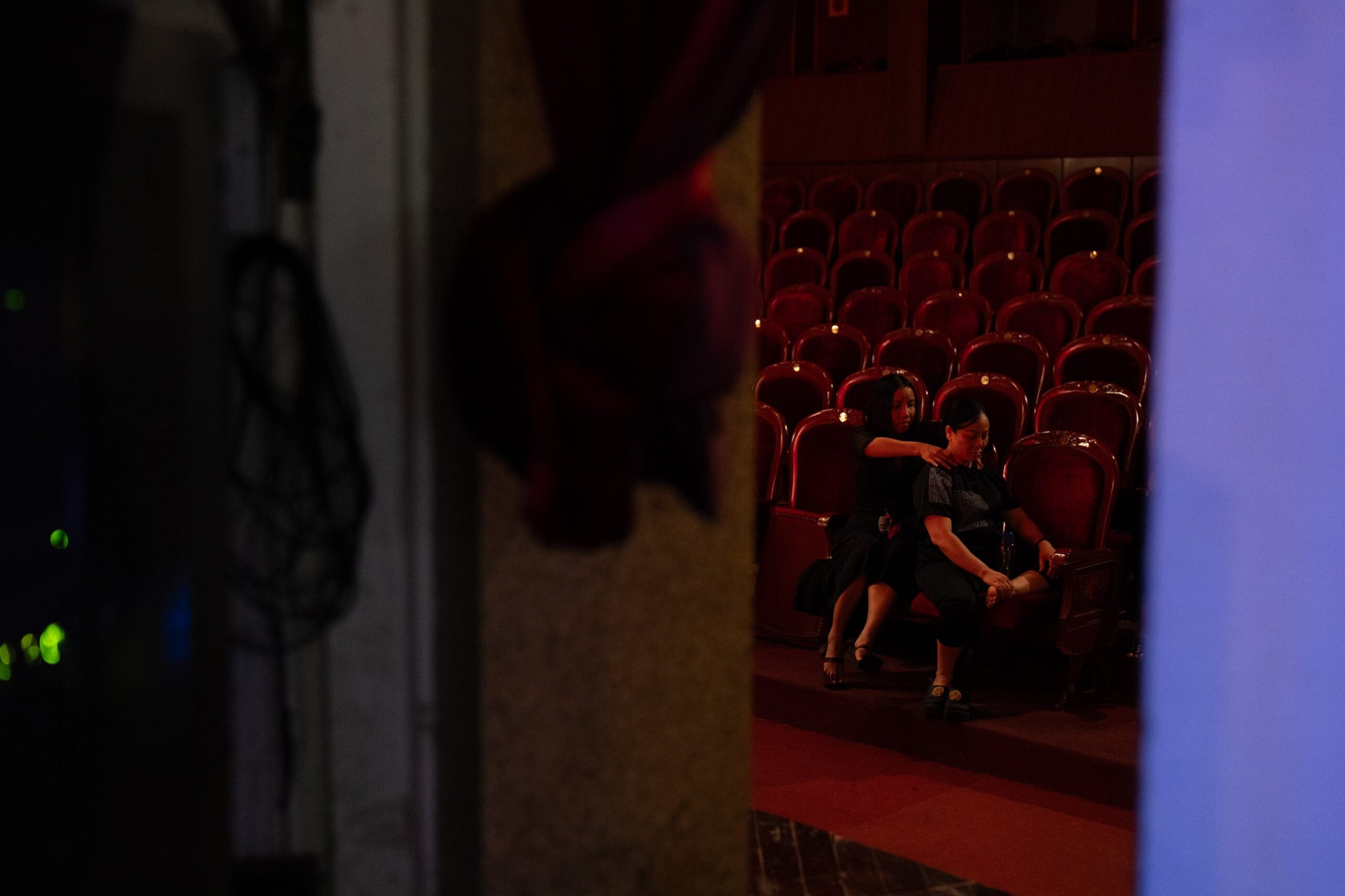
For those six qualities to become one, a young performer cannot learn with her ears or eyes alone; she has to learn with her whole heart. Through the exhaustion of rehearsals that run from morning until late at night, the flame of the craft is passed on through the simple yet profound words of the generation before.
Trần Ngát speaks of the compass that guides her work:
“What I still remember to this day is that Ms Thúy Ngần and Ms Kim Liên always reminded me, from my student days until I began working, to love my roles with everything I have, because once you truly love them, the craft will never let you down. That has been my compass ever since.”
Trần Ngát
On her path through traditional art, Trần Ngát faces another question: how do you bring young people to the theatre and make them feel chèo?
“After eight years of studying and working, there have been times I felt lost, especially in the face of technology, digital platforms and modern art forms,” she admits.
But faced with that uncertainty, the Gen Z girl does not step back. Instead, she turns it into a reason to search for new ways of passing the art on. Inheriting without copying, and never losing the core of the old art, she brings to the role a more modern reading of the character’s mind, with a performing rhythm that is steady yet belongs to its time. In her hands, Suý Vân is no longer a feudal tale from long ago, but the embodiment of a longing to live as yourself, a message that speaks to every age.
“I hope audiences will see a Suý Vân in Trần Ngát’s version, one that takes a new direction, the more modern direction of young people… If you truly love traditional art, be passionate, give yourself to it, and don’t shy away from hardship. Traditional art is very hard and takes great persistence. But with love and passion, you can conquer it.”
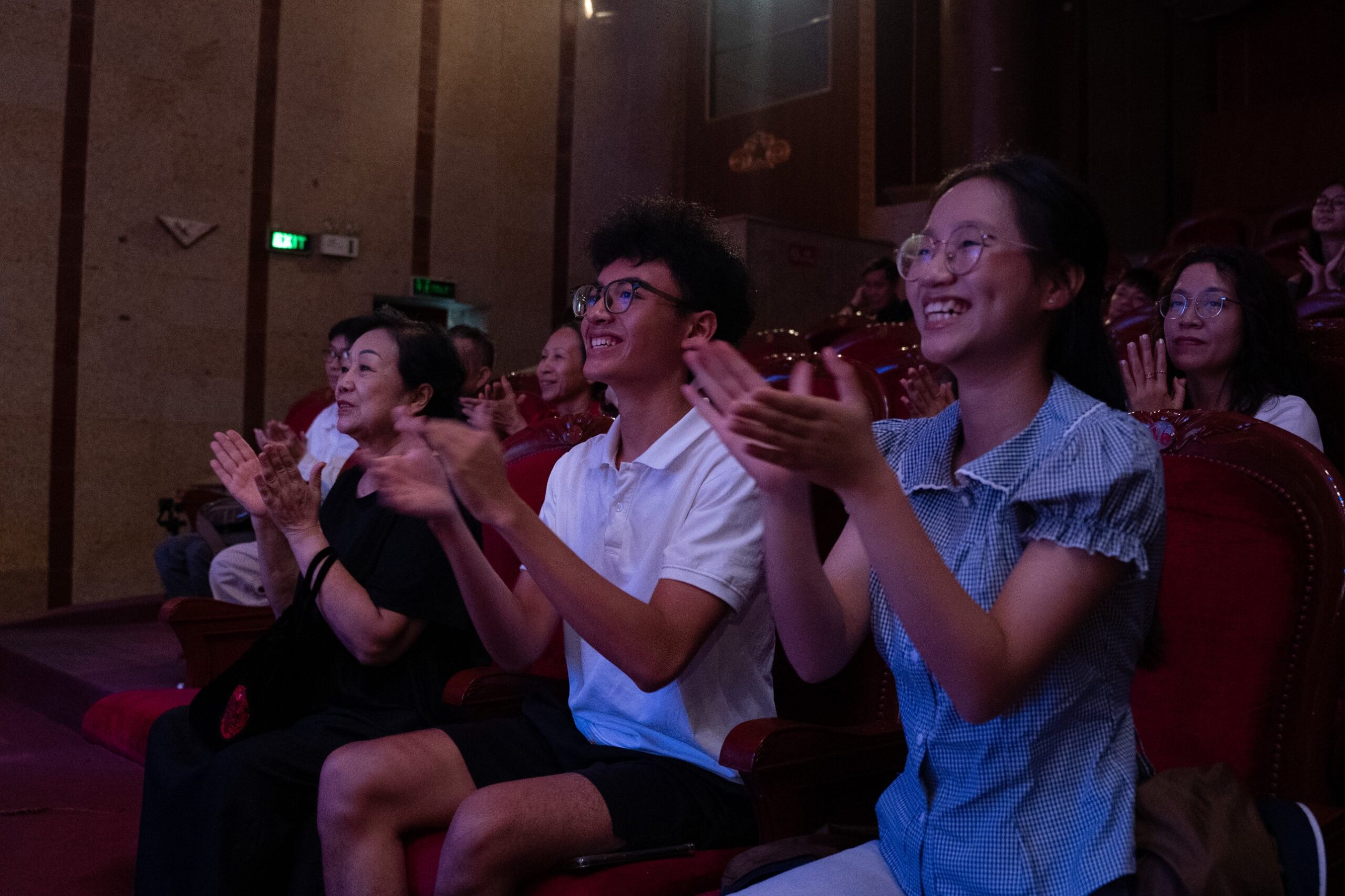
When the performance ends, the lights of the Kim Mã theatre come up and applause bursts from silver-haired elders and young people alike. It is a moment when traditional art comes back to life. Young people like Trần Ngát are not only playing a role; they carry a mission to sow new seeds.
The chèo drum that has echoed through the centuries is not a heritage framed behind museum glass, but a river that keeps on flowing. With the sweat, tears and burning hearts of the young, that river goes on laying down fresh silt, carrying an ancient beauty into the lively rhythm of today.